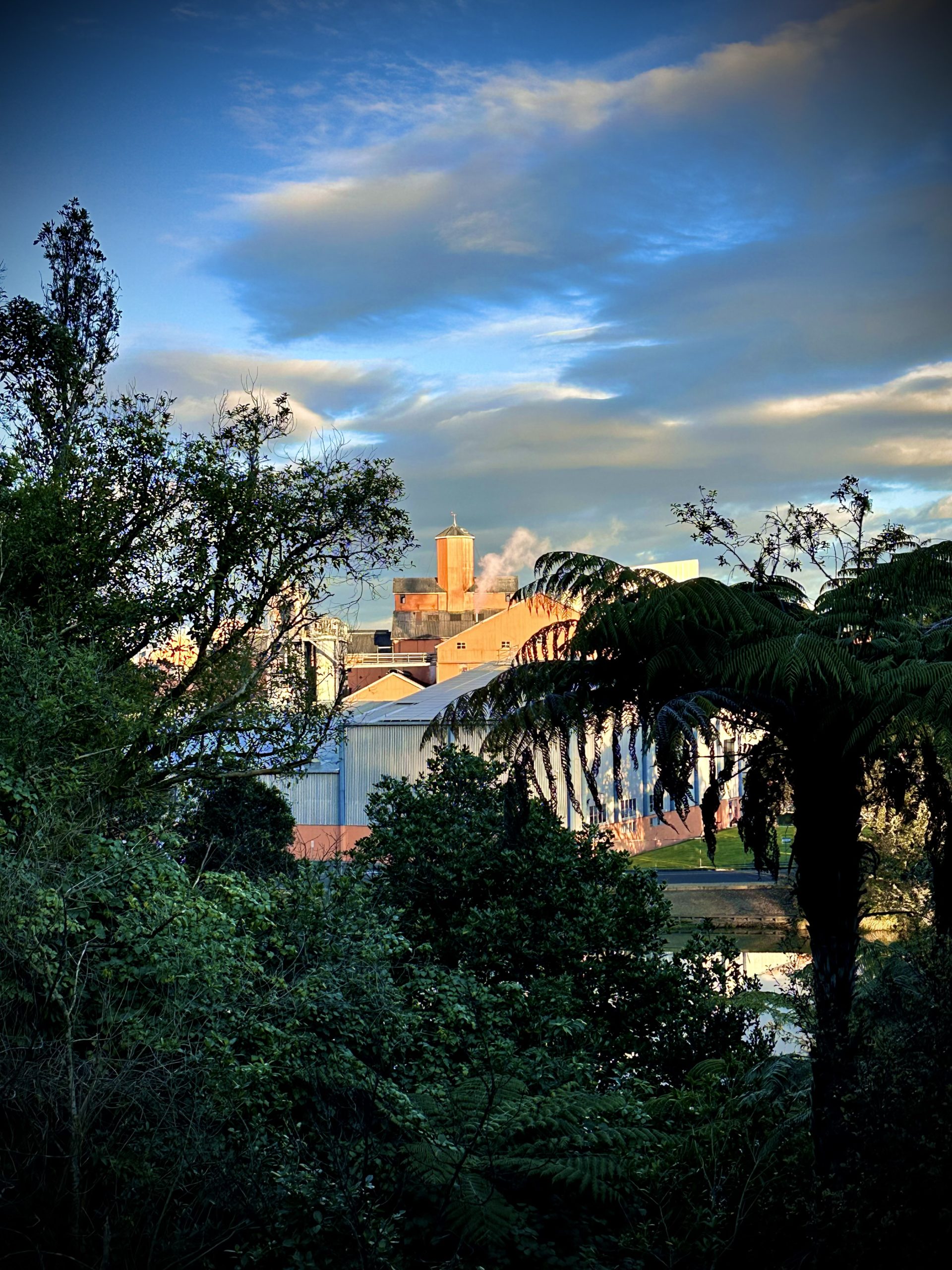
We will be engaging with the wider community over the summer and meeting up with all our volunteers, members and long-term supporters. Please get in touch with us to share what the Regional Parks concept means to you…
Some of the ways you can show your support…
Leave a comment below… What about these reserves is most important to you? What do you like most about the Regional Park idea?
Email cherpa.nz@gmail.com to add your name or organisation to the list of supporters
Subscribe to our mailing list (Email cherpa.nz@gmail.com to opt in for regional park updates or volunteer events)
Donate or Become a Member – download our membership form, fill out and email it back to us.
A big THANK YOU to all who have and continue to play a part on this journey… but in particular CHERPA members past and present, Tony Holman, David Roberts, Margaret Paine, Dianne Harlow, Cr John Gillon, Cr. Richard Hills, and Pest Free Kaipātiki, MPs Dan Bidois and Shanan Halbert and Kaipātiki Local Board.
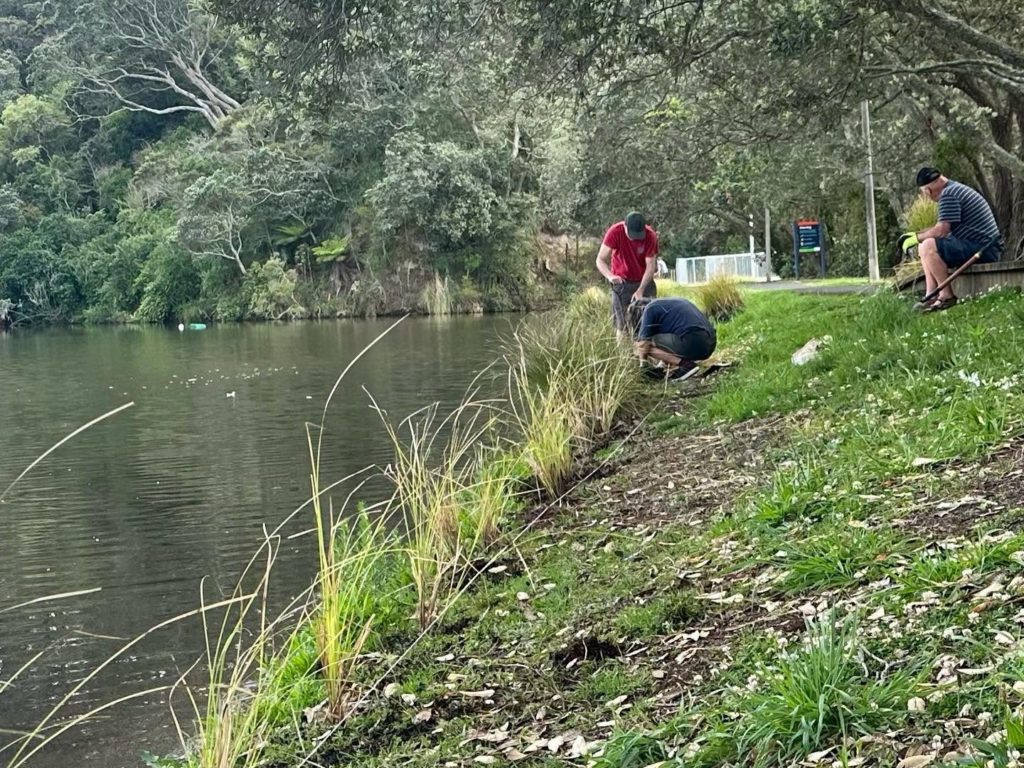
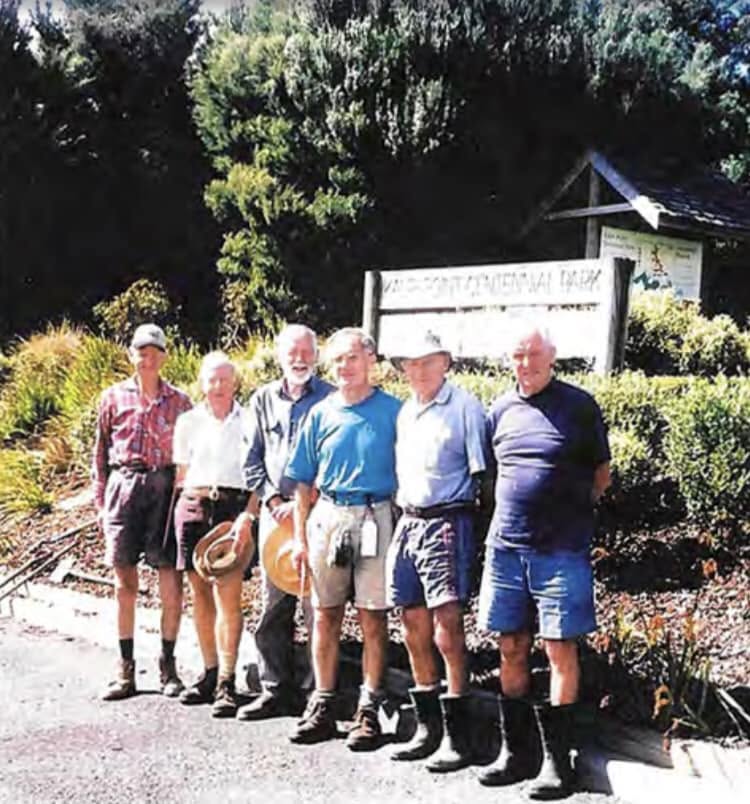
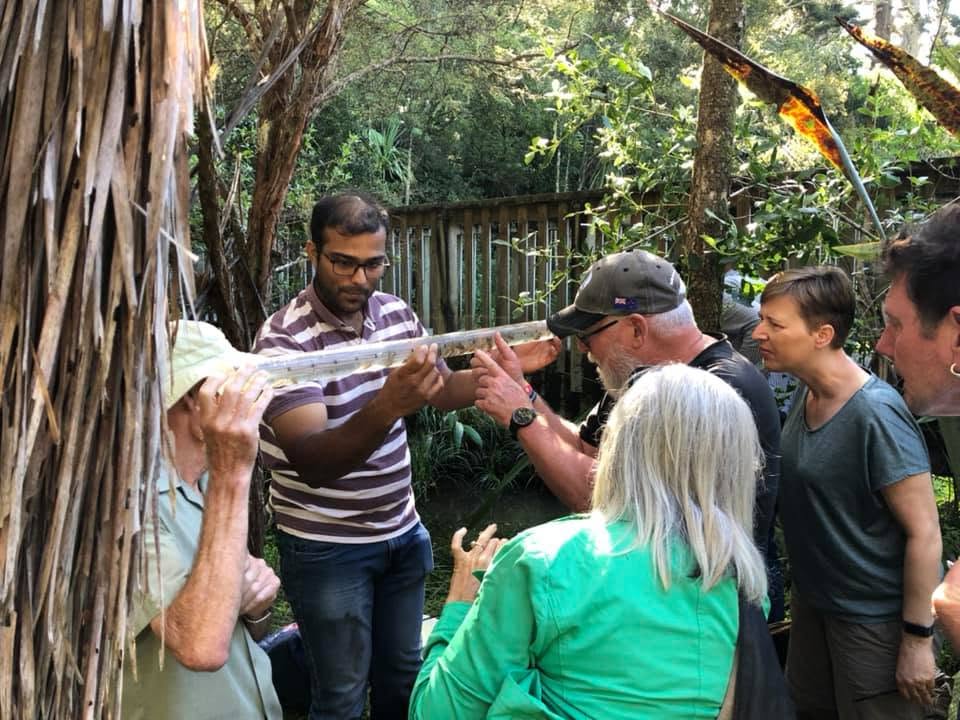
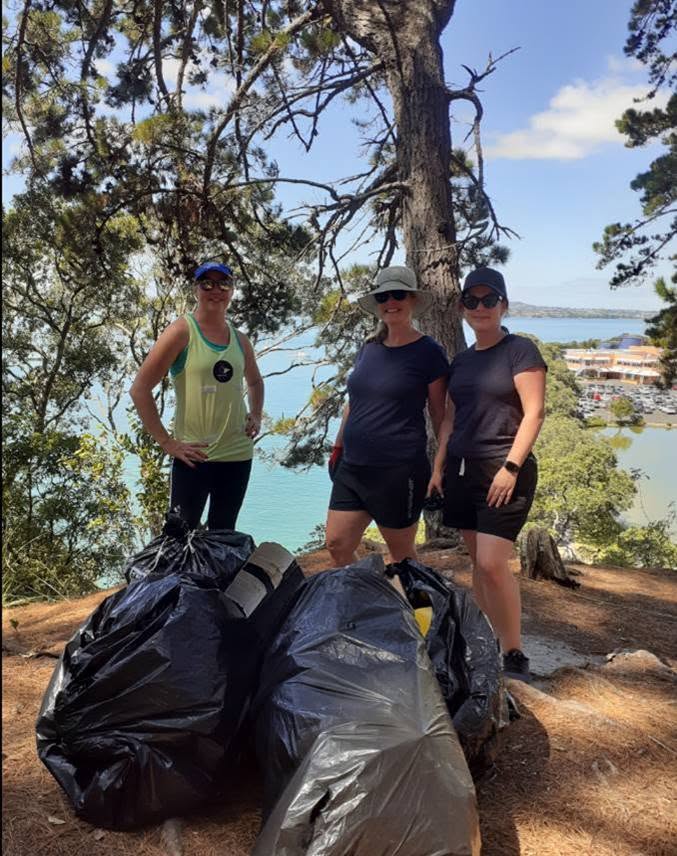
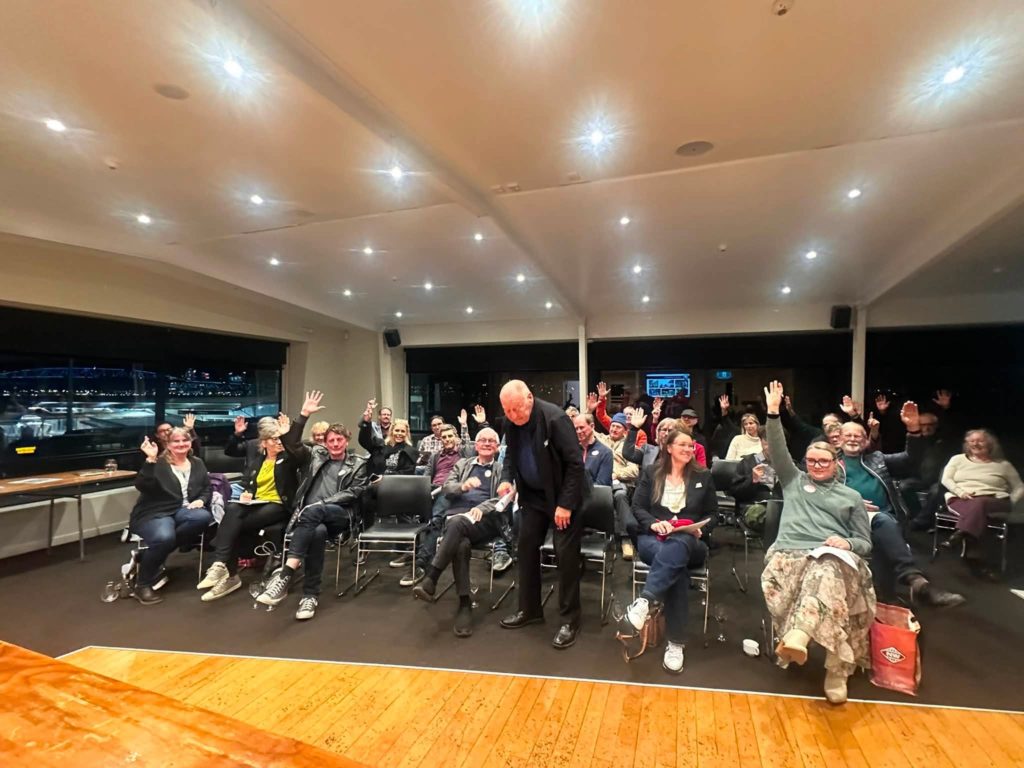
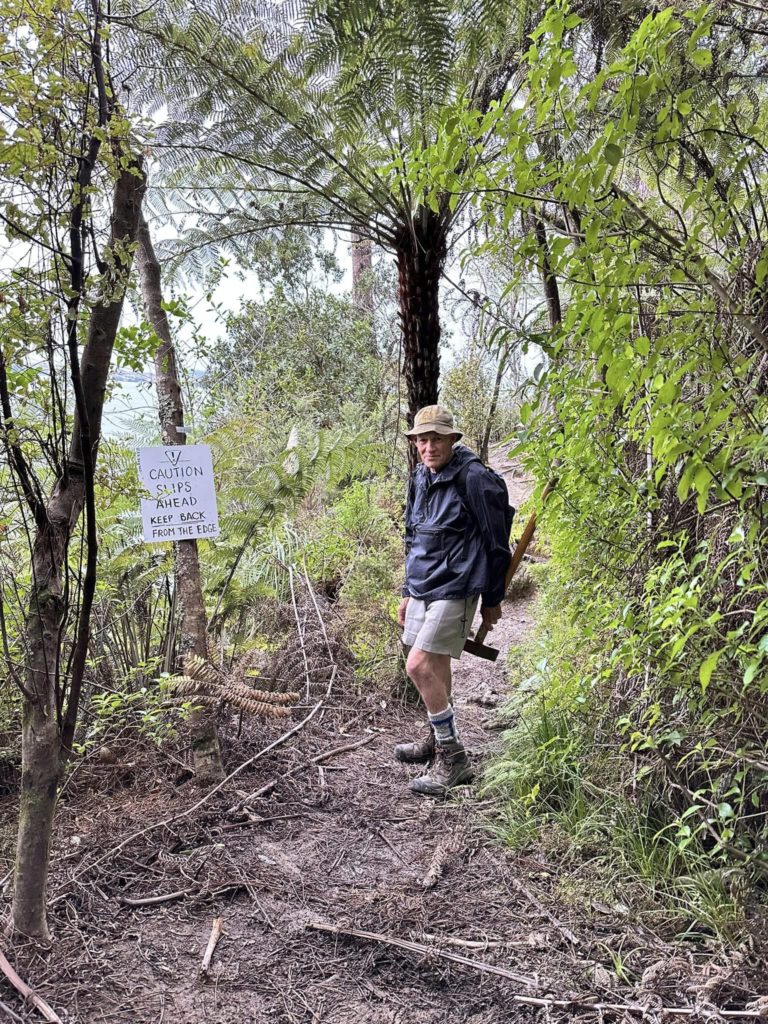
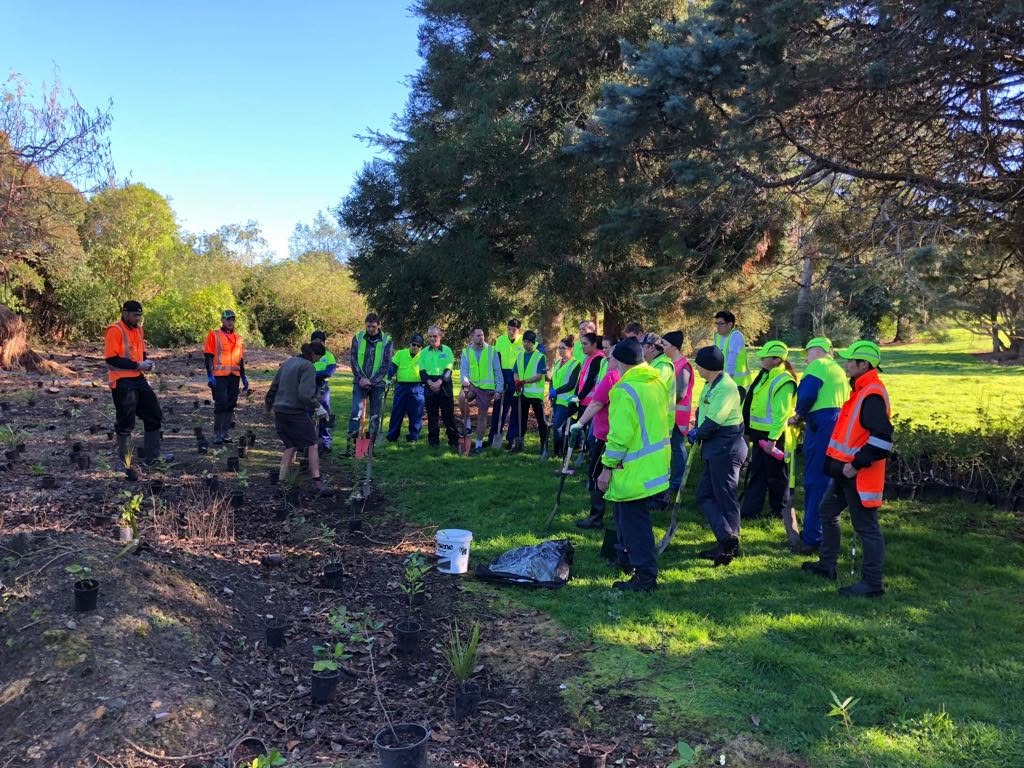
Carex planting bee, Chelsea pond 4, 2022.Early KPCP volunteersWaicare – Chelsea stream monitoring group, 2021.MBIE corporate working bee, 20202026 AGM attendees in support of the Regional Park ideaLong time volunteer and mentor David Roberts installing signs after cyclone Gabriel cliff damage, 2023NZ Sugar factory staff volunteer planting, 2018.
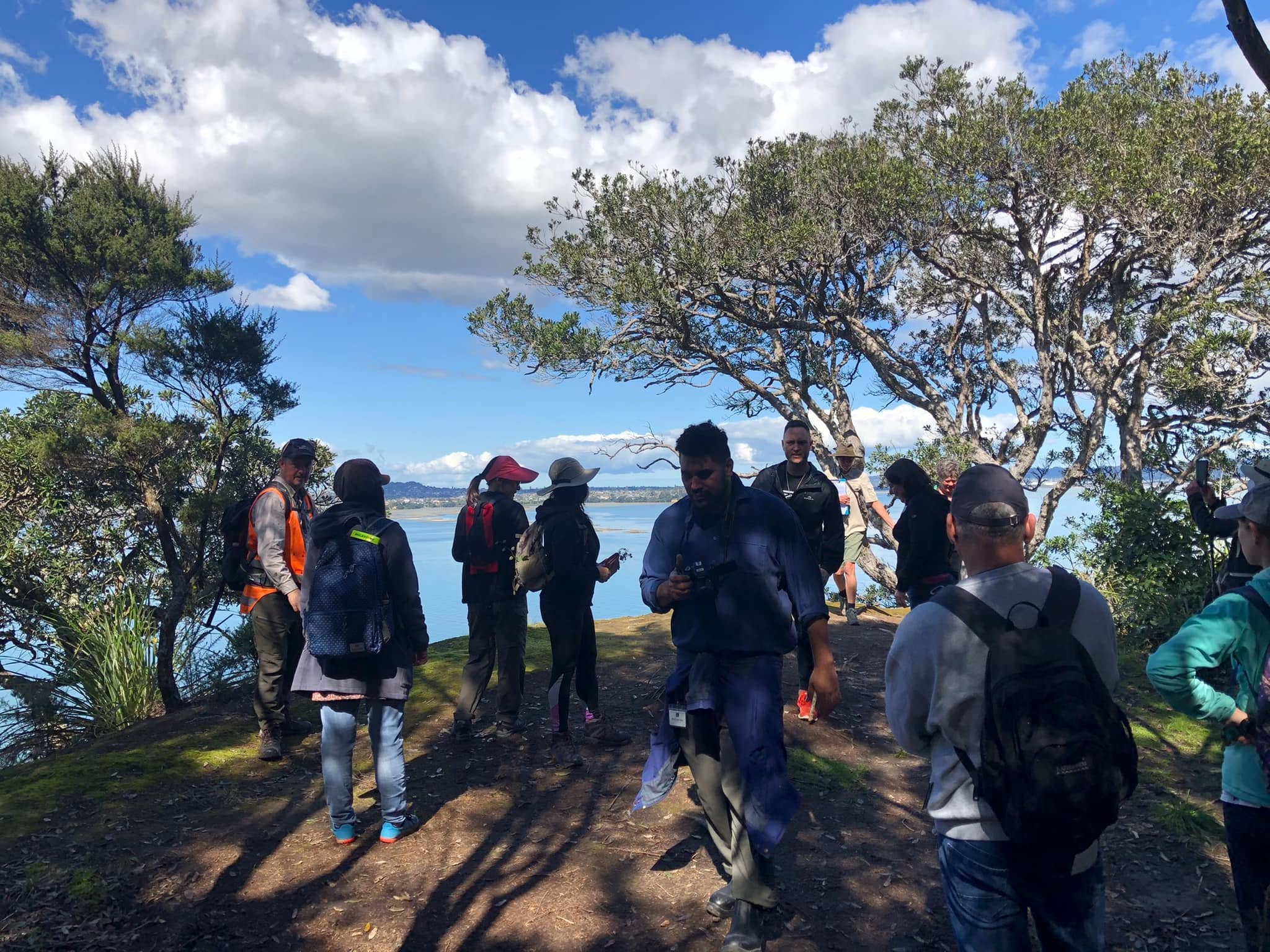
Feature image: Guided walk visit to Kauri Point pā lookout – Te Mātārae ō Mana (The Brow of Mana), 2022.
The history of Chelsea Sugar factory and Estate is well documented but the history of the Kauri Point headland is perhaps less widely known. Some oral histories and early records have been shared by local iwi, heritage experts and local historians (see our recommended reading below). In more recent history, industry, wartime and local volunteers have transformed the landscape.
Here are some key events that have shaped the wider headland:
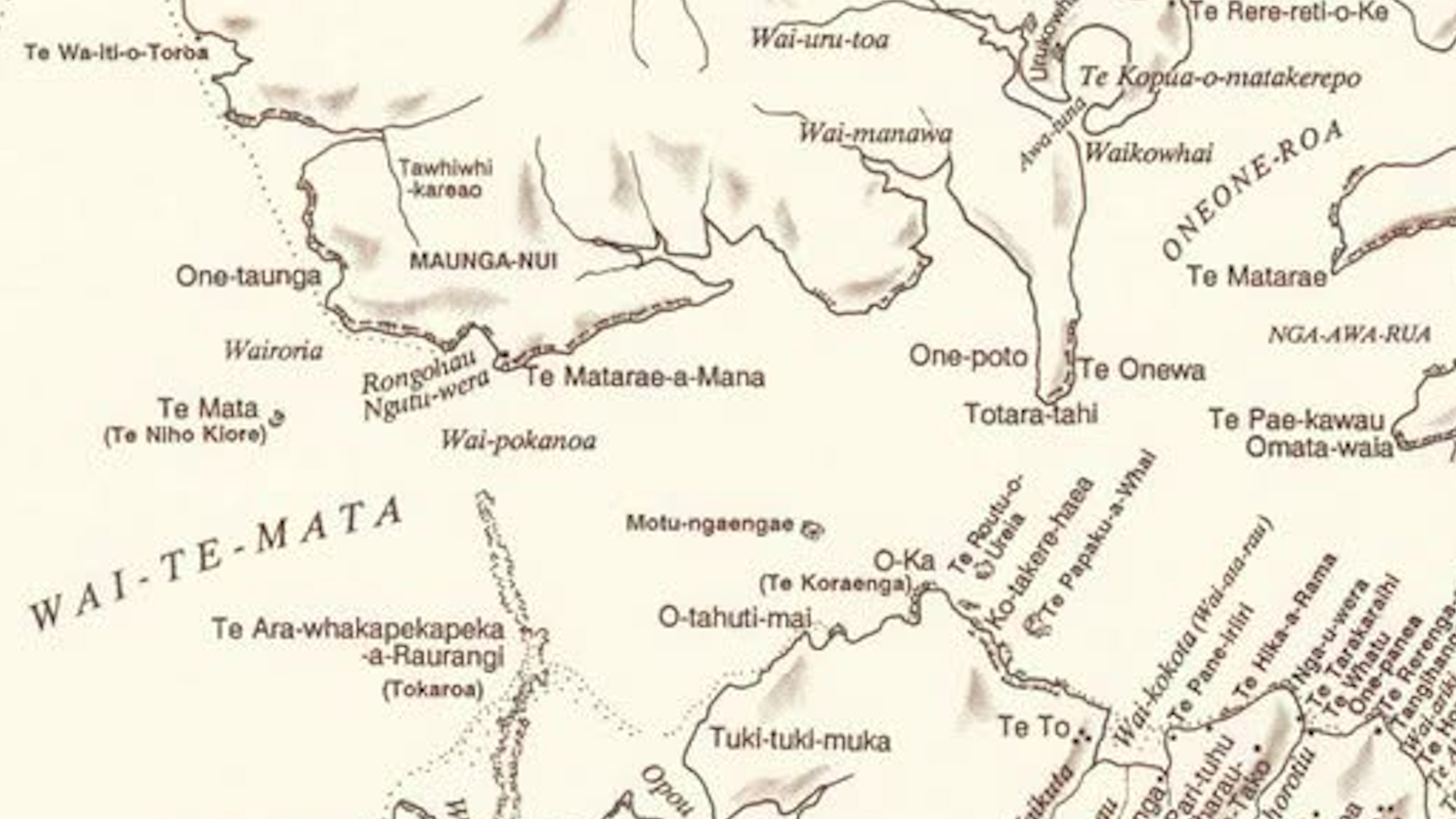
1600s – 1840 several mana whenua occupied and defended from this headland. Te Kawerau a Maki note of seasonal occupation of the pā headland Te Matarae ō Mana “the brow of Mana” and the bay below named Rongohau, later known as Kendall Bay.
1866 – lands surveyed, subdivided and sold after Te Tiriti o Waitangi, as part of the Mahurangi block purchase
Plan of North Shore (detail showing land parcels from Soldiers Bay to Onewa Point, c 1866, Auckland Library Special Collections.
1883-4 – The New Zealand Sugar Company1 purchases Lot 1, excavates Matthew’s Point to “reclaim” the foreshore, establishes a brickworks and builds the first two brick dams.
1888 – Governor WF Drummond Jervois, under the land act of 1885 reserves 133 acres of land for the Purpose of Recreation.
1899 – Colonel Hugh Boscawen surveys, maps and takes first known photographs of Kauri Point and Kendall Bay.2
Pa headlandView of pa headland and Kendall Bay
1902 – three Auckland Mayors and Harbour Board designate Kauri Point Reserve “for all Aucklanders”
Photocopy of William Hammond’s 1902 map of Birkenhead and Northcote / Credit: Auckland Libraries Heritage Collections Map 3728
1900-1917 – Further excavation and building of two lower dams and a seawall and slipway below the Rawene headland for the supply of water to the Sugar Works.
1912 – Lot 164 owned by Sir John Logan Campbell (which included the pā site) was taken from John Campbell’s Estate by the Auckland Harbour Board under the AHB Loan and Empowering Act (1908).
1915 – Harbour Board designated land transferred back the Crown
1916 – Kauri Point Domain – Allotment 157 and 163 and part of 162 reserved for recreation
1917 – Harbour Board designates part of the KP reserve for NZDF purposes
1935 – Harbour Board takes 69ha with the Public Works Act
1983 – NZDF acquires a further 26.822ha
1987 – Auckland Council purchase of Kauri Point Centennial Park, establishing QEII National Trust covenant and the volunteer-led KPCP-CR restoration group for Kauri Point Centennial Park & Chatswood.
1997 – CHERPA (Chelsea Regional Park Assn) formed and proposes a joint advisory committee whole headland (NZ Sugar, NZDF and reserve land) led by Uruamo Ecological Society.
2008 – In July 2008, 39 hectares of the Chelsea Heritage Estate was sold to a consortium that included the ASB Communities Trust, Auckland Regional Council, North Shore City Council and the New Zealand Government. The Chelsea Estate Heritage Park was opened in 2009. 3
2010 – Uruamo Ecological Society commissions a feasibility study on predator free fence on NZDF land for the UJEAC.
2016 – CHERPA committee reforms
2018 – Chelsea Sugar Sugar Café and Discovery Centre in October
2022 – CHERPA present a written submission for Regional Parks Management Plan review; KLB John Gillon and Mel Kenrick present the Regional Park proposal to PACE committee (voted against 12-7)
2017-2024 – CHERPA continues to push for better management of CEHP trees, parks and lakes; AC redirects stormwater network, removes koi carp, applies phoslock application to pond 4, removes sediment from pond 1. Pest weeds overtake gullies and closed landfill.
2022-24 – Kaipātiki Local Board upgrade of tracks, walkways, bridges and boardwalks in the 3 reserves, Kaipātiki LP Management plans gazetted.
2025 – John Gillon successfully campaigns for North Shore Councillor in support of a ‘North Shore Regional Park’
2026 – NZ Sugar (Wilmar) propose and trial adaptive management plan to improve water quality in ponds 3 and 4.
2025-26 – Onewa Road corridor congestion improves after introduction of T2 lane, CRL opens improving regional accessibility to Auckland CBD; Watercare Chelsea upgrade begins
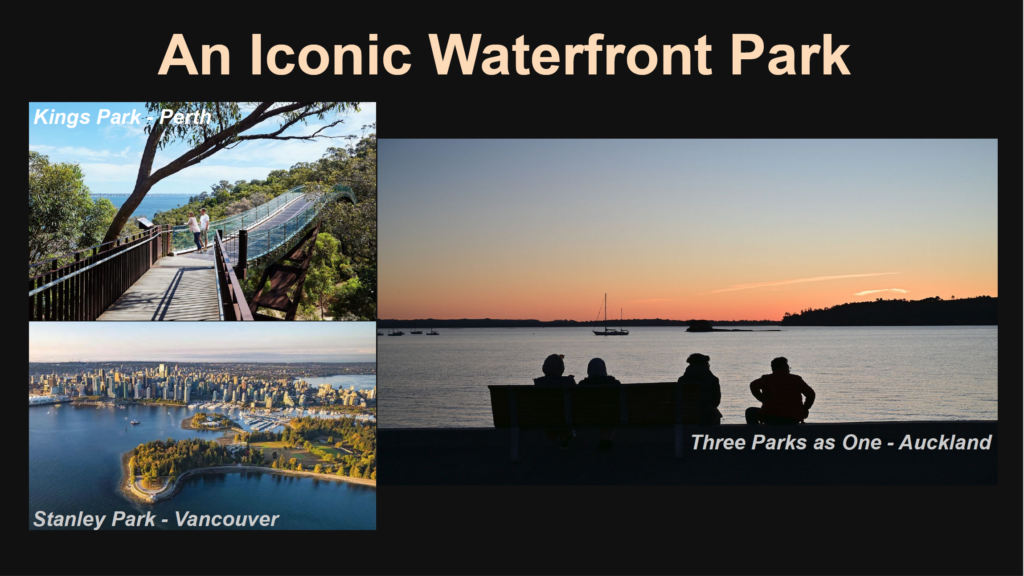
2026 – CHERPA takes their THREE PARKS AS ONE Regional Park campaign to AC Community Committee.
Acknowledgements
The story of the headland has been preserved thanks to the gifting of personal archives of Tony & Dinah Holman, Mel Galbraith, Margaret & Bruce Paine and David & Marcia Roberts to CHERPA. We also acknowledge Dianne Harlow’s comprehensive research for the CEHP Conservation Plan, Mary Buckland’s tree survey, Toni-maree Rowe’s blog and oral history of the Waitemata mana whenua Ngati Paoa, Ngati Whatua Orakei and Te Kawerau a Maki.
NZ Sugar Co. “formed in June 1883 by the Colonial Sugar Refining Company in equal thirds partnerships with the Victorian Sugar Company and a number of prominent Auckland businessmen… Thomas Russell, Sir Frederick Whitaker, Allan Kerr-Taylor, L.D Nathan, D.L Murdoch, J.C Firth, J.Williamson, and A.G Horton and J.L and W.S Wilson. p28 CEHP Conservation Plan ARCHITAGE 2011 ↩︎
Feature image credit: Part map of the Tāmaki isthmus with Maori placenames (redrawn from TAMAKI-MAKAU-RAU by Mr Leslie Kelly), Department of Geography University of Auckland 1990. / Auckland Libraries Heritage Collections Map 9502
Chelsea Regional Park Association Inc. (CHERPA) was founded around 1997 by Tony and Dinah Holman, initially to protect Chelsea Estate parkland from NZ Sugar Refinery from plans to subdivide.
After a long campaign, supported by many prominent figures, an agreement was finally reached with NZ Sugar in 2005, subject to funding. The Chelsea Park Trust, chaired by Sir David Tomkins, QC, eventually secured $20m funding from North Shore City Council, ASB Trust and others and purchased 36.7 hectares of the former Chelsea Estate in July 2008. Chelsea Estate Heritage Park was officially opened by North Shore City Council in September 2008, and announced in Parliament by Minister for Conservation, Hon. Steve Chadwick.
The initial vision of CHERPA was to see it become a Regional Park managed by Auckland Regional Council – to connect Chelsea Estate with neighbouring reserves Kauri Point Centennial Park and Chatswood Reserve – thereby protecting the 90 hectares of high value biodiverse reserve land from future development.
n 2000, CHERPA set up UJEAC the Joint Environmental Advisory Committee with representatives from the Navy, Chelsea Sugar Company and North Shore City Council for better coordination of ecological restoration.
In 2003 the Waitemata Coastal Sanctuary Restoration Plan was developed by the esteemed local ecologist Mel Galbraith. This plan informed later council reserve management plans and volunteer restoration plans. It had included a proposal for predator-proofing the existing NZDF fence, but sadly and for a number of reasons was never actualised – lack of support from UJEAC, NZDF security, and perhaps the proximity to Auckland western suburbs (rats and stoats have been know to swim more than 1.5 kms).
In 2008 after securing purchase of Chelsea Estate Heritage Park, CHERPA resumed their campaign for regional park headland.
Original supporters of this first Regional Park bid included two former governor generals, notable ecologists and conservationists, local politicians, judges, high profile businessmen, an artist and a former All Black.
The idea lost traction, due to the pending dis-establishment of Auckland Regional Council, and the amalgamation of Auckland Council’s four city councils into one in 2010.
CHERPA reformed in 2016, after 6 years of centralised outsourced park maintenance – and a noticeable decline in lake, bush, trees and track maintenance. They revisited the Regional Park idea, submitting on the concept again in 2020 as part of the Regional Parks Management Plan public consultation.
Here is the presentation CHERPA representatives Harvey White and Pam Templeton put to Auckland Council Community Committee on November 5, 2026: “Three Parks as One”: A New Regional Park for Tāmaki Makaurau & the Waitematā…