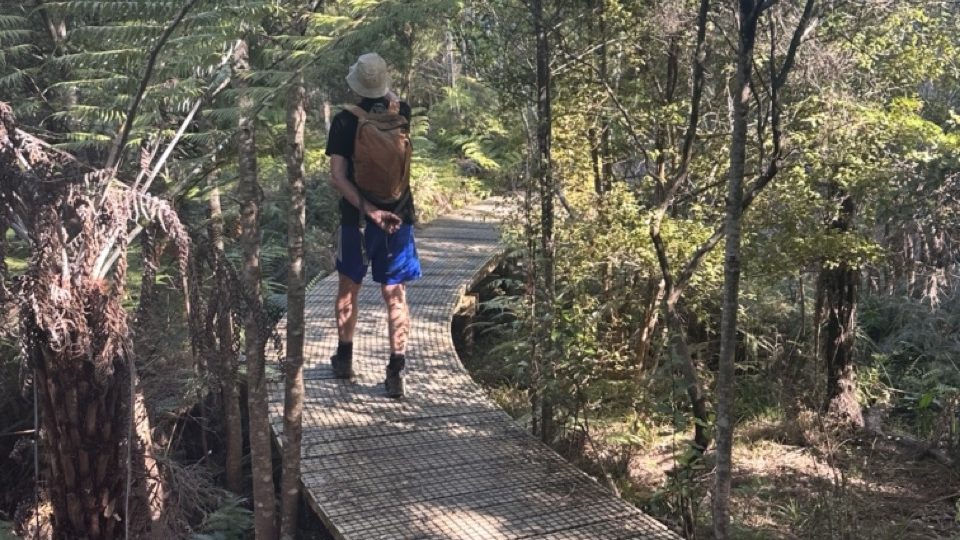
Category: Regional Park

  • CHERPA Position Statement on a New Waitematā Regional Park

    CHERPA Position Statement on a New Waitematā Regional Park

    The Chelsea – Kauri Point Regional Park idea has been supported by our members, many regular park users and supporters in the local community since 1997.

    CHERPA’s committee are all completely independent of Council, NZ Sugar and NZDF and have no pecuniary interest in the transfer, should it happen.

    There is a LOT to consider with such a proposal and the parks will benefit ongoing discussion and input from everyone – especially local community. Without your support, local board and councillors will not support the bid.

    If you haven’t already, please read our post on what this means for local community

    For a more detailed summary of what exactly we are asking and why, please read on…

    WHAT ARE WE ASKING EXACTLY?

    We presented to Auckland Council Community Committee recently to remind them of the Chelsea-Kauri Point Regional Park concept, and that it be considered in their review of the Long Term Plan.

    View media article here: https://www.rnz.co.nz/news/regions_auckland/2500975/fresh-bid-to-create-new-auckland-regional-park

    We are confident that the ACCC will investigate this properly, and respectfully ask Council staff to be instructed to make a more thorough assessment of such a transfer.

    While the focus of our presentation was on finding a solution to the significant gap in the current Regional Parks offering to Central Auckland and The Waitematā, a business case has not been undertaken and the wider aspirational benefits have not as yet been accurately measured.

    We acknowledge that in the absence of a business case, assessment criteria would default to currently determined financials.

    WHY ARE WE ASKING FOR THIS AGAIN?

    In 2022 KLB requested staff to review to inform the 7 April PACE committee assessment to make their decision did not provide sufficient information. The motion: “To agree that Chelsea Estate Heritage Park and surrounding reserves remain designated as local reserves under local-board decision-making i.e. the status quo.” was voted for 12-6.
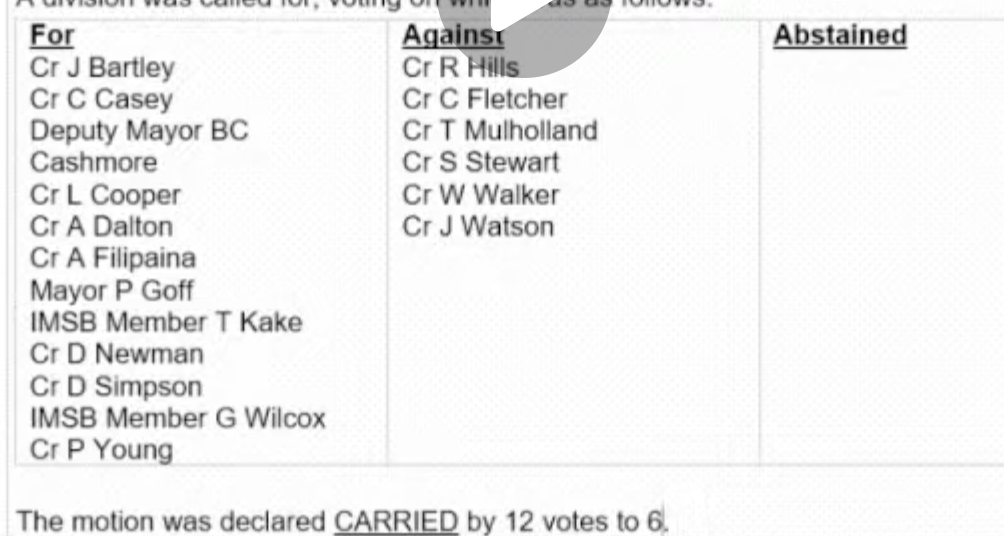
    How the votes landed in 2022

    We encourage you to make yourself a cuppa and watch the video of the PACE Committee meeting item here: https://councillive.aucklandcouncil.govt.nz/meeting/parks-arts-community-and-events-committee-meeting-item-1-4/parks-arts-community-and-events-committee-meeting-item-21-22/
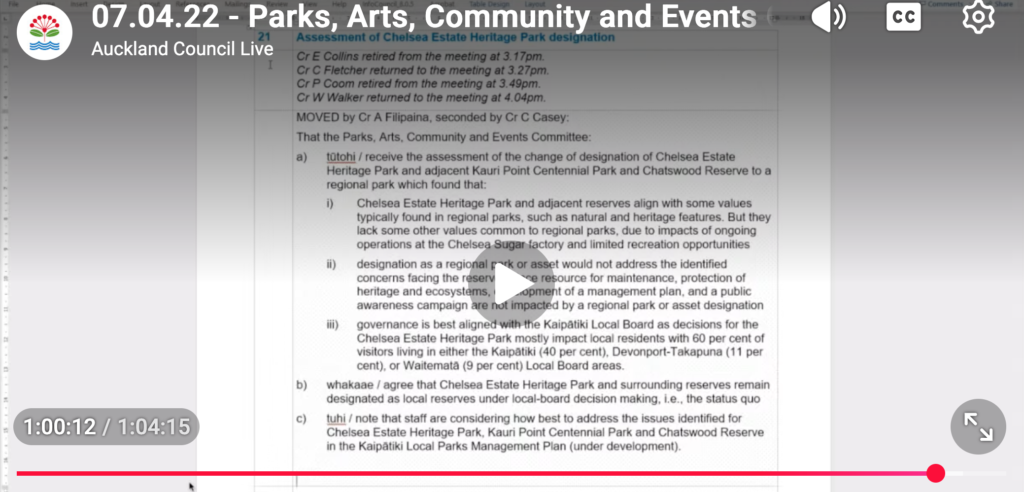
    Summary of decision – screengrab from recording of the 7/4/22 PACE meeting.

    The 2022 the PACE committee concluded:

    CEHP and adjacent reserves align with some values typically found in regional parks, such as the natural and heritage features. But they lack some other values common to regional parks, due to impacts of ongoing operations at the Chelsea Sugar factory and limited recreational opportunities. 

    In our view, this statement shows limited understanding of the current recreation the three parks offer:

    • Plentiful walks
    • Swimming, kayaking, SUP boarding etc
    • Picnicking
    • Photography, birdwatching, enjoyment of meditative views (harbour, lake, and bush)
    • Off-leash dog access (Chelsea Upper park and beaches)
    • Educational opportunities (frequent volunteer and ecology events and other walking, hiking and tramping groups)
    • Synergy benefits with Chelsea Sugar Discovery Centre (convenient access to cafe, tours, playground)

    The lakes are non-recreational due to ecological and stormwater classification, but are a popular draw-card for passive recreation. These parks offer MORE active recreational use than some regional parks.  Since 2022 the Colonial Road corridor has had bollards and carpark gates installed, improving pedestrian safety and parking. 

    We remain positive that KLB and Councillors will support this and our Councillors will ask staff to determine (in more detail than was provided to PACE committee):

    • the cost of transfer is neutral on balance – ie. current maintenance budget
    • cost of transfer, policy changes, establishment of a Management Plan (based on the excellent historic plans Council paid for and drafted between 2008-2011)
    • Include any RECOMMENDED improvements against any cost savings from RP efficiencies
    • Factor in savings made from EXISTING volunteer base (PFK annual reported hours 1000+ in the last year)
    • Full compliance with existing acts, policies and plans such as open space, and heritage precinct overlay
    • A more thorough and up-to date-survey that captures international visits.

    In the Mayor’s summary of the last Long Term Plan (2024-2034) he noted of Facilities maintenance:

    I have heard concerns from some councillors that the costs of maintenance, particularly our parks and open spaces are getting out of control. I think there is merit in reviewing these costs and contractual structures to see if there are better and cheaper ways to do the work. I want to focus particularly on Regional Parks first and encourage in-house rangers and volunteer providers to deliver maintenance and minor capital works. I also want to sit down with council’s big maintenance contractors to agree on ways we can save money on these expensive contracts. I am open to considering in-housing some aspects of these services.

    Whilst we don’t expect more money can be found in current economic climate, we do believe that existing budgets can be managed more efficiently under Regional Parks – ESPECIALLY if there was a full-time Regional Park Ranger based locally or on site.

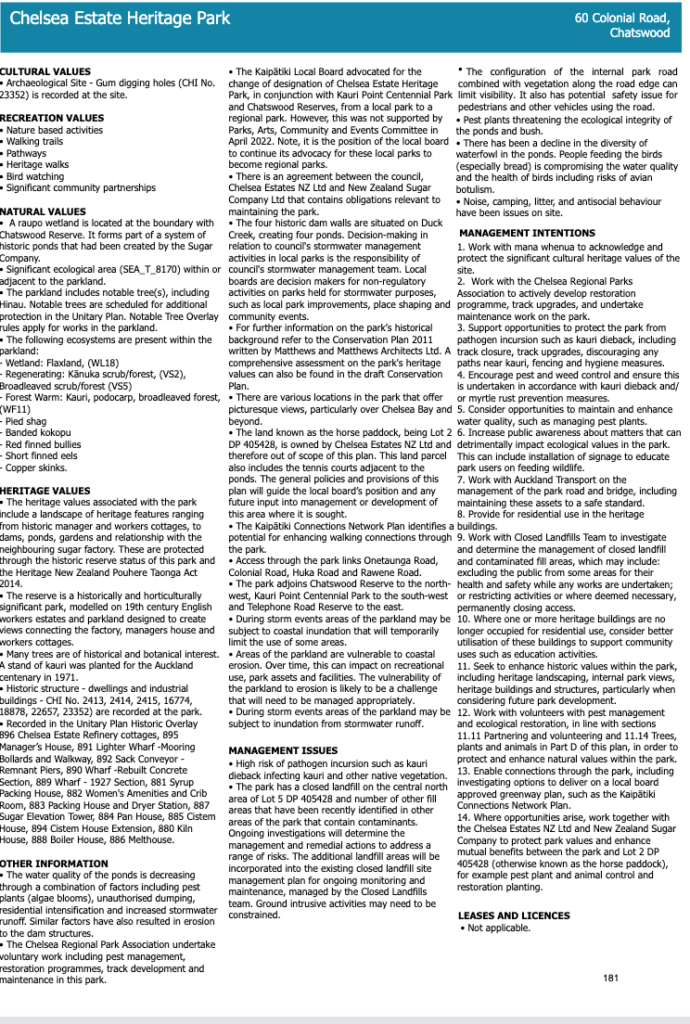
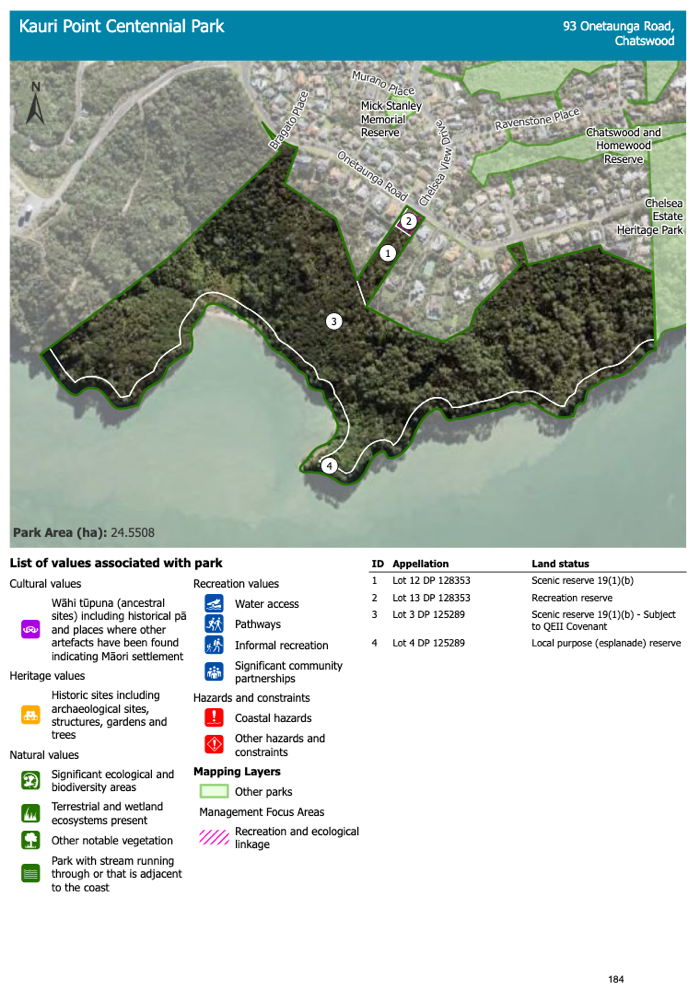
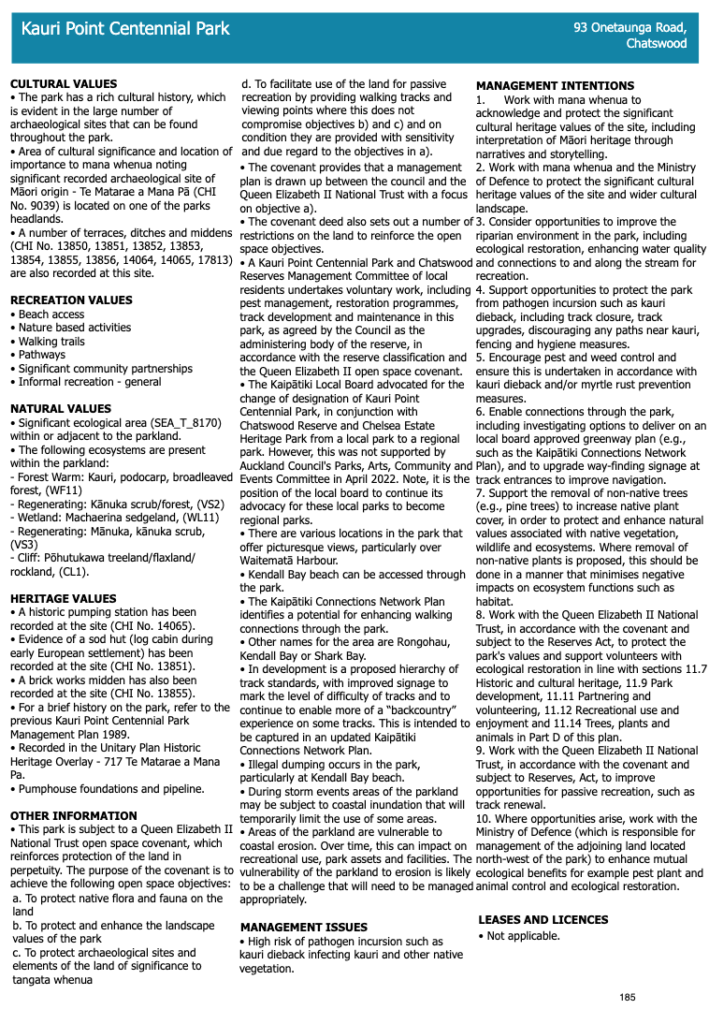
    The Regional Park transfer is an idea supported by Kaipātiki Local Board and is included in the 2024 Local Parks Management Plan. While the LPMP saved Kaipātiki residents a lot of ratepayers cash by putting 170 parks all into one plan, and works perfectly for smaller parks with parkland or bush, it is less effective where there are more complex overlays of heritage and archaeology like Chelsea Estate and Kauri Point Centennial Park. A two-page summary is not sufficient to serve them well. (See Appendices)

    As you can see in the two pages below ‘management intentions’ are listed for each park, but there is no reference to the wealth of earlier council conservation plans, native vegetation and heritage tree surveys for these parks, despite them being submitted by us for inclusion. (See our blog post History Lessons for historic documents in the CHERPA archive).

    Thankfully KLB covered many additional needs that the Local Parks did not manage well in the first 10 years of AC, being without a Management Plan, but with their help the maintenance schedules, lake management, pest weed control and tracks are in a much better state and can now be more accurately costed.

    We are not criticising KLB or Council staff. They have done an amazing job… budgets are extremely tight and both local and regional park teams staff are expected to do more for less.

    The ecological, heritage, and archaeological significance of the headland aligns it with other Regional Parks, so we think the Regional Parks Management Strategy is a better fit to manage the three parks as they are currently, because the RPMS focus is more long term, rather than reactionary and therefore will better prepare and protect the headland for population growth and climate change challenges.

    Appendices
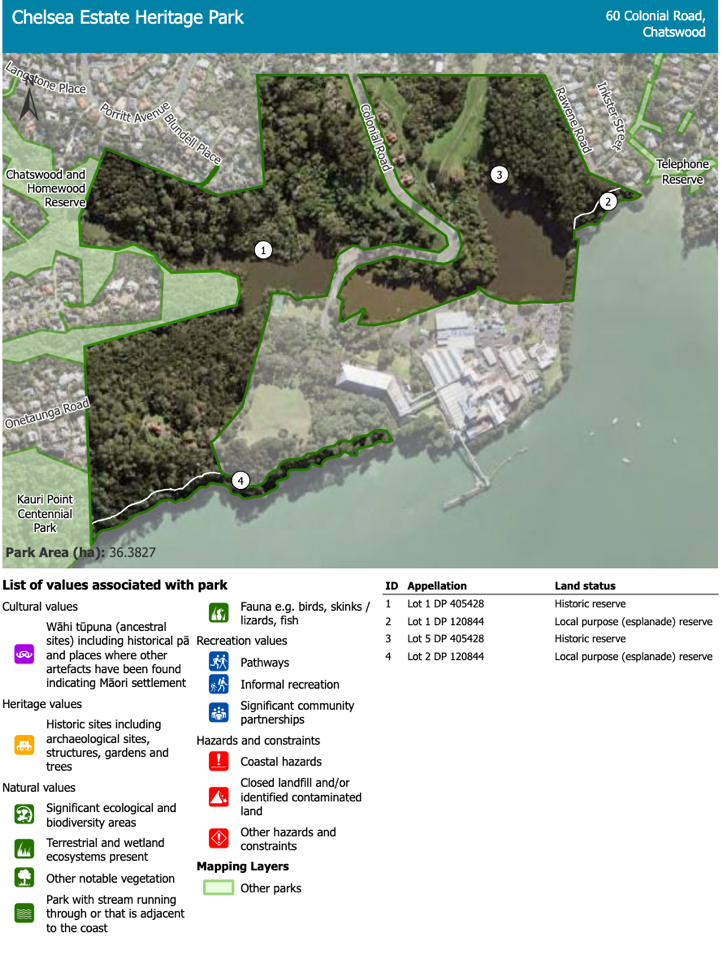
    2024 Kaipātiki Local Park Management Plan – CEHP Page 1
    2024 Kaipātiki Local Park Management Plan – CEHP Page 2
    2024 Kaipātiki Local Park Management Plan – KPCP Page 1
    2024 Kaipātiki Local Park Management Plan – KPCP Page 2

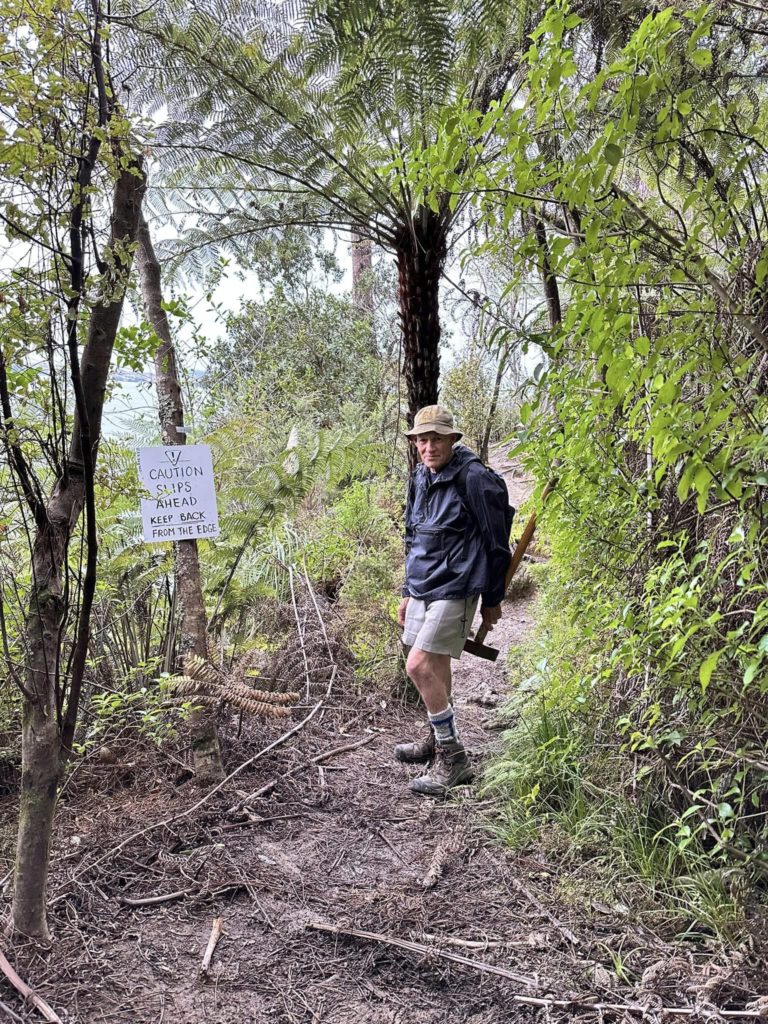
    Feature image: Neil Gunn checking the boardwalk section of Kauri Point Centennial Park. / Credit: Pam Templeton
  • How would a Regional Park serve the local community?

    How would a Regional Park serve the local community?

    WILL A REGIONAL PARK MEET LOCAL NEEDS?

    Kaipātiki is particularly special because it has a LOT of local parks that make it easy for most of us to head out the door with our kids and dogs and be at a playground or sports field or bush walk within five minutes.

    The three parks on the Chelsea-Kauri Point coastline combine and the location overlooking the Waitematā offers something truly unique and we think that is something we locals should be proud to care for and share with the rest of Auckland.

    As local residents and dog owners, CHERPA committee and long-time local supporters of this proposal would love the headland to stay the same. The reason we continue to push for this is to try and ensure it retains its character and quality as much as possible for future generations.

    The proposal does NOT include Kauri Point Domain, Fitzpatrick Bay or Soldiers Bay. It is THREE PARKS from Chelsea Bay to Kendall Bay up to the NZDF boundary: ie Chelsea Estate, Chatswood and Kauri Point Centennial Park.

    Dog access

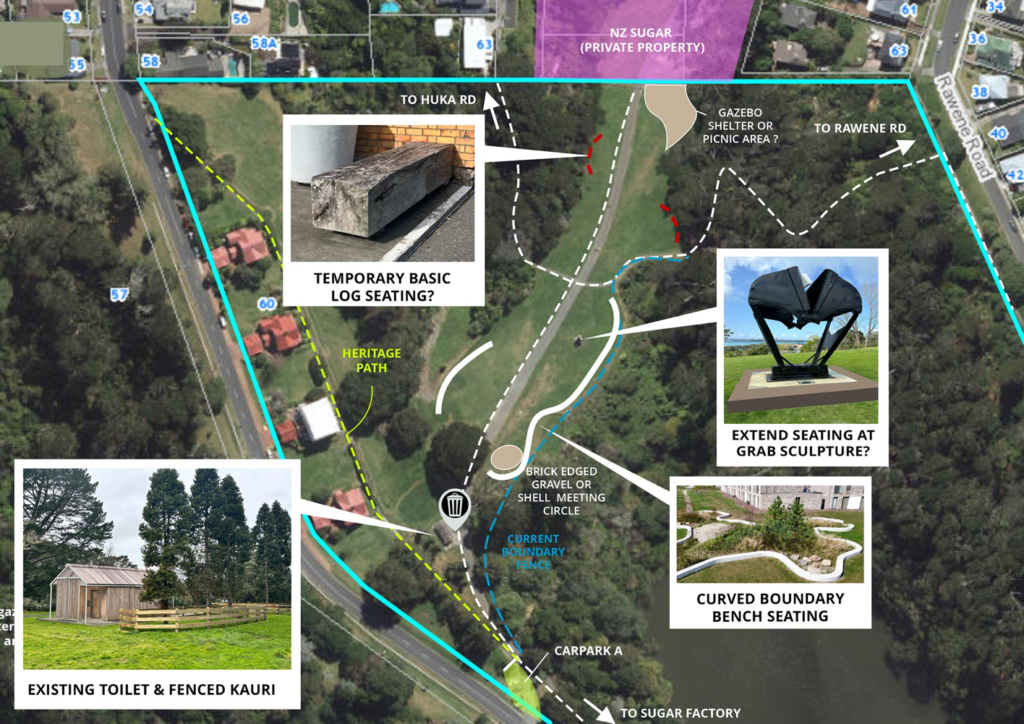
    Should the headland become a regional park, we’d expect NO change to current dog access. The current rules protect kauri, and keeping dogs on a lead on the walking tracks is courteous for other walkers and helps reduce the spread of common weeds in native bush areas. It is a generally accepted courtesy that although the whole flat area in the upper park is designated off-leash, dog owners should keep dogs under control to ensure other park users can pass through the area, and pick up their dog’s poo. A seating plan has been shared with KLB, pending further consultation.

    See below for Sponsorship Opportunities.

    Regional vs Local

    While a ‘regional’ park might appear, by name, to put the needs of wider Auckland before local residents, we argue that keeping as a Local Park makes it more vulnerable. The Chelsea Sugar Factory Cafe & Discovery Centre has already increased visitors and put the headland reserves on the map for the rest of Auckland.

    Local Parks are already managed by Auckland-wide contractors and staff (Tahi area for North Shore/Upper Harbour). Numerous council teams maintain and manage different aspects – eg. Community Facilities, Parks, Healthy Waters – with funding allocated from Council’s one and 10-year budgets for projects like storm and slip remediation, heritage building renovations, lake maintenance monitoring and dredging, dam repairs, etc. So essentially they are already managed regionally.

    KLB have paid for a lot of necessary “improvements” that the above council departments did not factor in their long term budgets for (without proper assessment or management plan from 2008-2024). These included significant track upgrades, pedestrian bridge replacements, pond 4 phoslock application and koi removal to improve water quality, etc. There have been significant delays on other projects in the pipeline (CEHP smaller carpark improvements, aged pine removal) due to the pending Watercare upgrade project.

    We are confident that the current Category Heritage-listed and QEII protections on KP Centennial Park, along with NZ Sugar (Wilmar International Ltd) operations – in combination with Regional Parks’ Strategy – would be the best way to ensure all three parks stay essentially as they are.

    Our Local Park ranger works weekdays, covers a wide area (several local boards) and the role does not include oversight of maintenance. It is more a community-facing role.

    A regional park ranger as we understand it, is based locally or on-site, oversees management of the park, visitor engagement, coordinates with the various council teams and works to a conservation plan with volunteers and key stakeholders. They also rotate roster to work some weekends, which would help address the issues with campfires and illegal campsites, vandalism, garden waste dumping AND greatly improve safety for park users.

    How would this proposal decided upon?

    This proposal has been presented to council and local board for continued support. The decision is ultimately with Auckland Council Community Committee, but depends on the support of local board and YOU the community. We are confident that IF they have been fully informed by staff of ALL true costs and benefits, they will make the right decision for the parks and the local community.

    See our Position Statement for more detail [to be published on 16/11/26]

    Loss of control?

    We are not convinced transfer to a regional park would mean loss of community or Local Board control. The Regional Park Management Plan 2024 there are numerous policies, objectives and reporting requirements to work with and report to Local Board and key stakeholders.

    There are many ways that this Regional Park’s Management Plan could set specific limitations to control rapid growth, visitor numbers or protect it from commercial interest.

    Strengthening community connection

    These parks support not just a fragile ecology and connection with the past, they are vital to the wellbeing of local community, but they need your support to remain safe, healthy and protected.

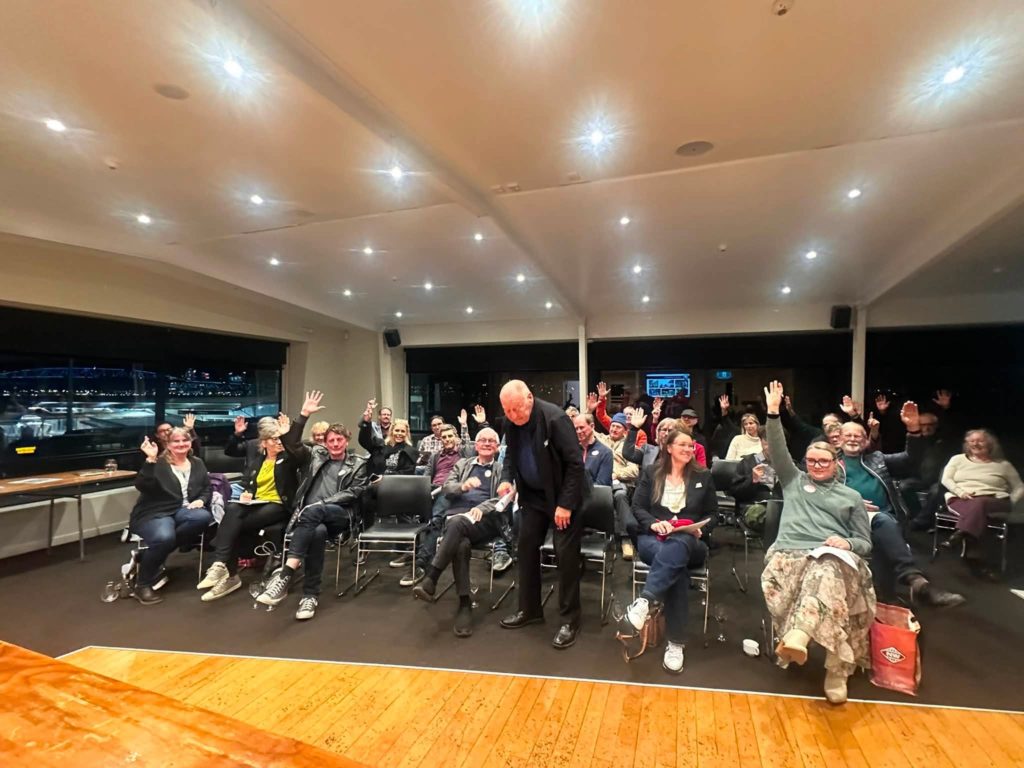
    We value the community connections we have made – though daily interactions with park users, with neighbours in surrounding streets, with NZ Sugar (passing on issues, supporting their work on improving water-take data from pond 3 and management of their adjacent land), with volunteers (a small dedicated group who do a mighty amount of work that council budgets can’t meet) and through our Facebook page. Since 2016, we have been holding annual public forums at the NBYC for community, KLB and council reps, NZ Sugar each year to discuss the regional park concept and get together to address issues.

    HOW CAN LOCAL COMMUNITY, IWI AND SPONSORS SUPPORT THIS?

    We anticipate that Regional Parks management of the headland will build stronger connections with local iwi, due to partnership in other regional parks with similar sites of historic relevance. We are also looking forward to meeting with mana whenua to discuss potential involvement and collaboration.

    We’re also keen to hear from nearby voluntary projects in the Waitematā to see how our mahi might align.

    We anticipate that Pest Free Kaipātiki will also support the headland through their AMAZING halo engagement projects in the Birkenhead, Chelsea & Chatswood communities. See their latest success – Ruru chicks hatching here:

    https://ourauckland.aucklandcouncil.govt.nz/news/2026/11/ruru-chick-hatches-in-kaipatiki

    We encourage major DONORS or SPONSORS to approach council to support the heritage and ecological value.

    If Local Board was freed of covering some of the neglected maintenance of the park, perhaps they could focus more on an advocacy role, improving outcomes for park users and develop more events for local communities, support cultural diversity and wellbeing within the reserves. Several areas in the park are under-utilised. The areas above and opposite the workers cottages could be used for small outdoor events. We’d like to see more Kaipātiki Communities Facilities Trust events – and Local Board fostering and supporting smaller community projects through Local Community Grants.

    • Community event programme – for example new parent play groups, Yoga, Tai Chi, senior fitness, walking groups, sketching classes, etc
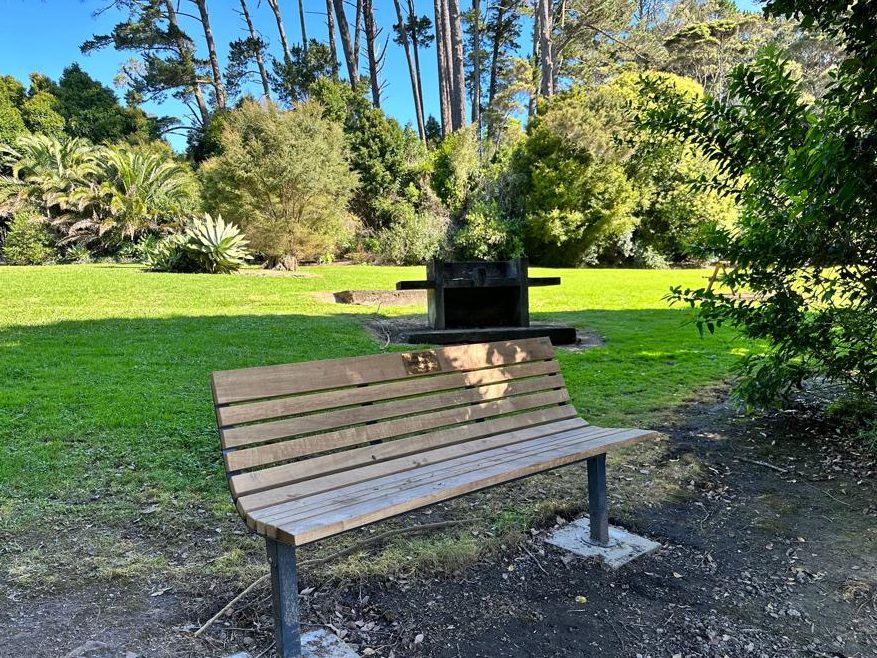
    • Introduce sponsorship of park benches for local families to remember loved ones ‘In Memoriam’.
    • Use of any empty cottages as a small public space for visitor information and exhibition / studio space.
    • A competition to design and build a heritage-compliant seating plan for Chelsea’s upper park to benefit and improve the area for BOTH dog owners and other walkers.
    2026 CHERPA Upper Park seating plan submitted to KLB (pending further consultation)
    Memorial park bench installed by NZ Sugar on their tennis lawn area.


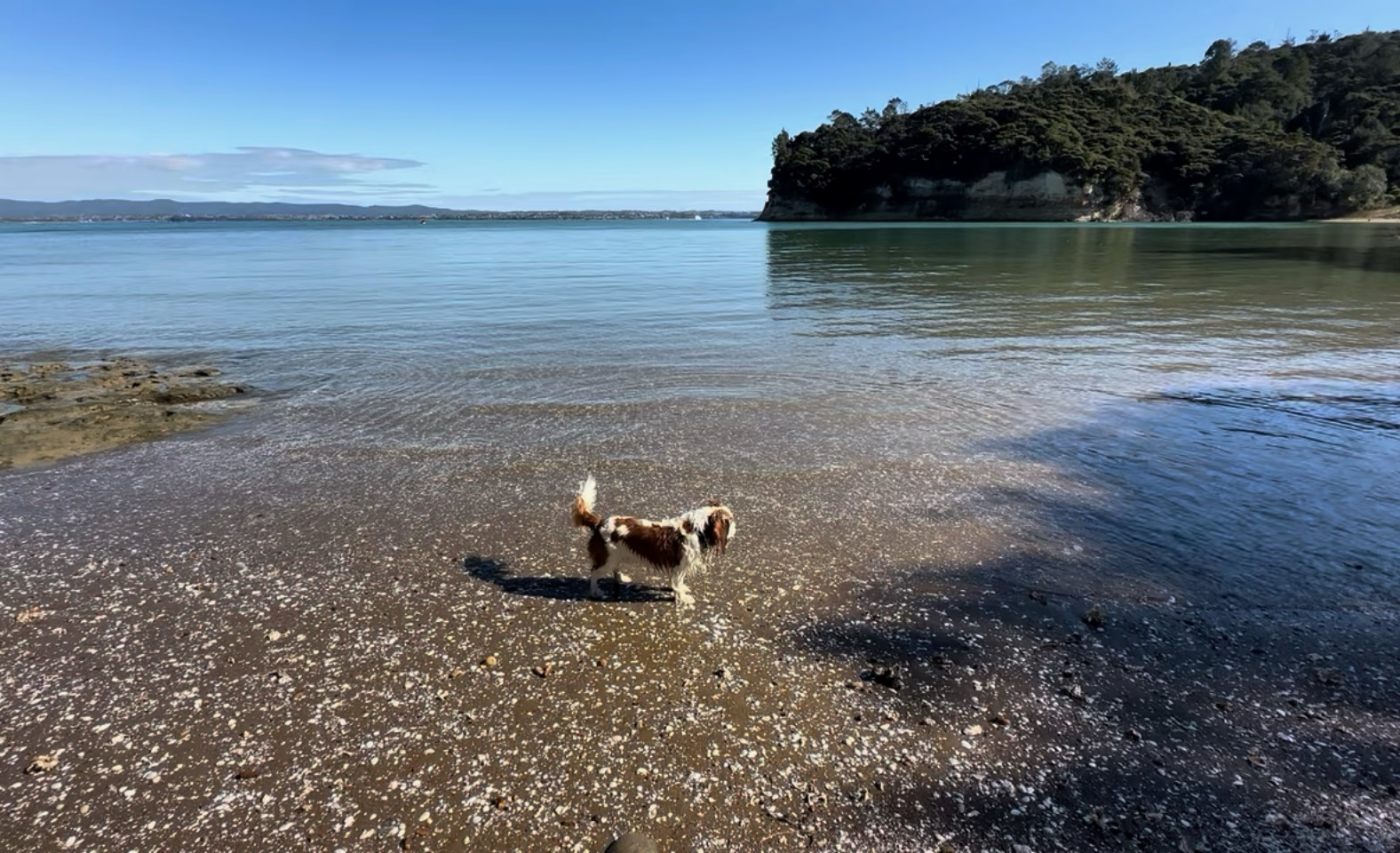
    Feature image: Bo the cavalier enjoying Kendall Bay / Rongohau / Photo: Pam Templeton

  • Show your support!

    Show your support!

    We will be engaging with the wider community over the summer and meeting up with all our volunteers, members and long-term supporters. Please get in touch with us to share what the Regional Parks concept means to you…

    Some of the ways you can show your support…

    1. Leave a comment below… What about these reserves is most important to you? What do you like most about the Regional Park idea?
    2. Email cherpa.nz@gmail.com to add your name or organisation to the list of supporters
    3. Subscribe to our mailing list (Email cherpa.nz@gmail.com to opt in for regional park updates or volunteer events)
    4. Donate or Become a Member – download our membership form, fill out and email it back to us.


    A big THANK YOU to all who have and continue to play a part on this journey… but in particular CHERPA members past and present, Tony Holman, David Roberts, Margaret Paine, Dianne Harlow, Cr John Gillon, Cr. Richard Hills, and Pest Free Kaipātiki, MPs Dan Bidois and Shanan Halbert and Kaipātiki Local Board.

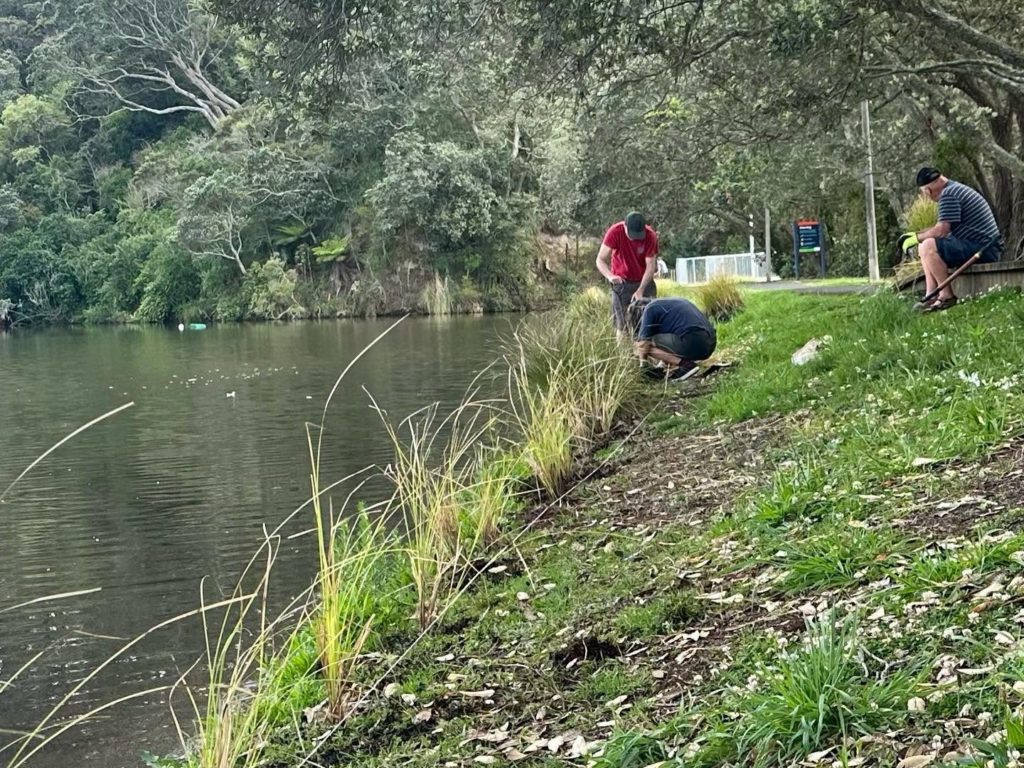
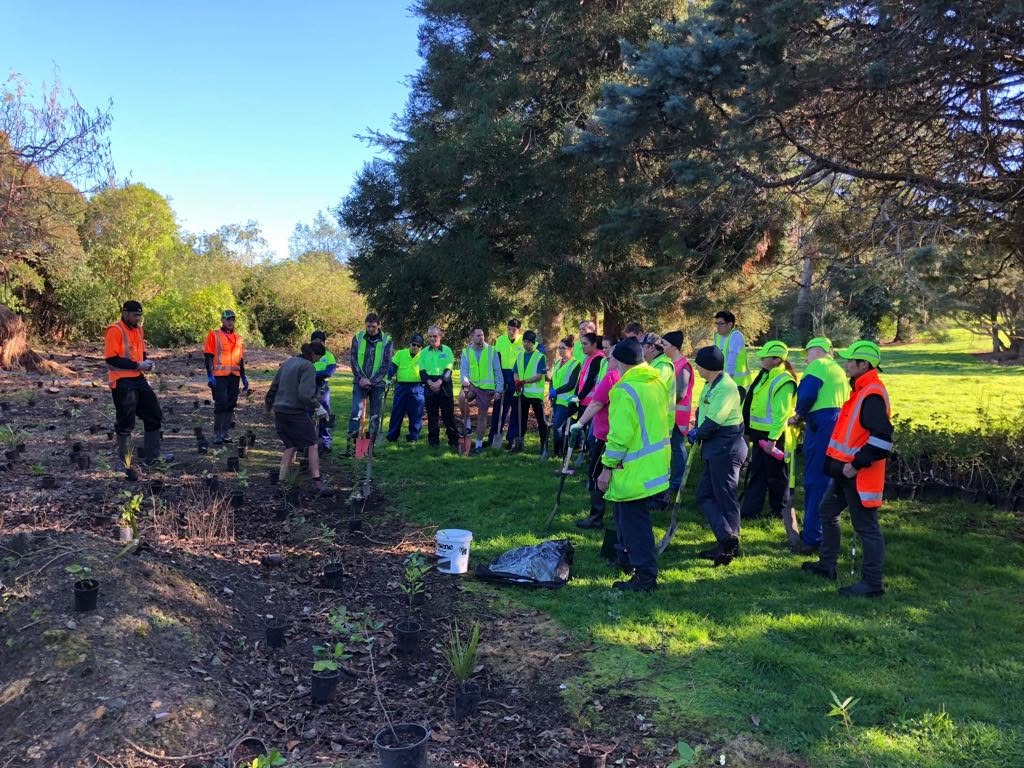
    Carex planting bee, Chelsea pond 4, 2022.

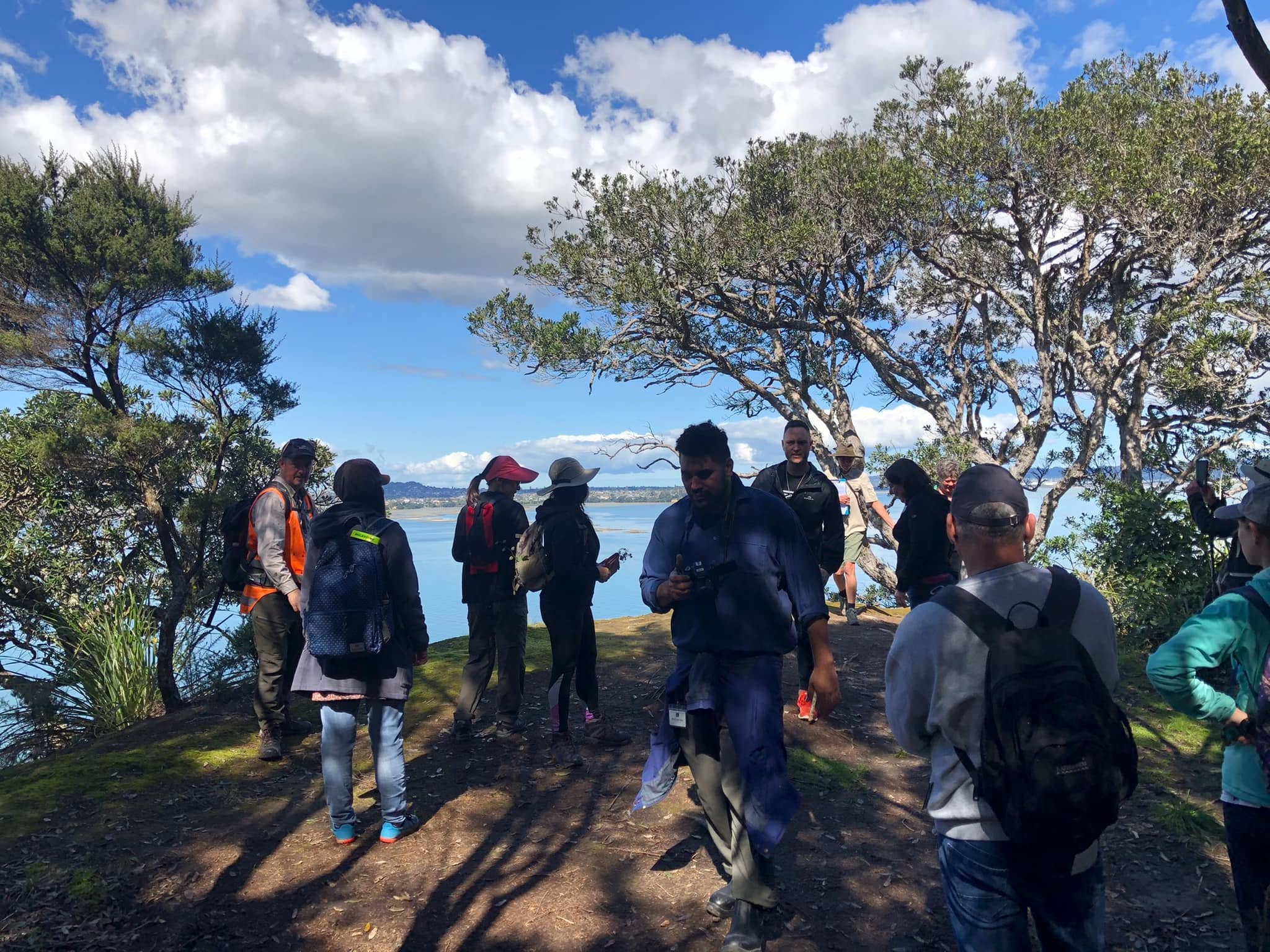
    Feature image: Guided walk visit to Kauri Point pā lookout – Te Mātārae ō Mana (The Brow of Mana), 2022.

  • History lessons

    History lessons

    The history of Chelsea Sugar factory and Estate is well documented but the history of the Kauri Point headland is perhaps less widely known. Some oral histories and early records have been shared by local iwi, heritage experts and local historians (see our recommended reading below). In more recent history, industry, wartime and local volunteers have transformed the landscape.

    Here are some key events that have shaped the wider headland:

    1600s – 1840 several mana whenua occupied and defended from this headland. Te Kawerau a Maki note of seasonal occupation of the pā headland Te Matarae ō Mana “the brow of Mana” and the bay below named Rongohau, later known as Kendall Bay.

    1866 – lands surveyed, subdivided and sold after Te Tiriti o Waitangi, as part of the Mahurangi block purchase

    Plan of North Shore (detail showing land parcels from Soldiers Bay to Onewa Point, c 1866, Auckland Library Special Collections.

    1883-4 – The New Zealand Sugar Company1 purchases Lot 1, excavates Matthew’s Point to “reclaim” the foreshore, establishes a brickworks and builds the first two brick dams.

    1888 – Governor WF Drummond Jervois, under the land act of 1885 reserves 133 acres of land for the Purpose of Recreation.

    1899 – Colonel Hugh Boscawen surveys, maps and takes first known photographs of Kauri Point and Kendall Bay.2

    1902 – three Auckland Mayors and Harbour Board designate Kauri Point Reserve “for all Aucklanders”

    1902 map of Birkenhead
    Photocopy of William Hammond’s 1902 map of Birkenhead and Northcote / Credit: Auckland Libraries Heritage Collections Map 3728

    1900-1917 – Further excavation and building of two lower dams and a seawall and slipway below the Rawene headland for the supply of water to the Sugar Works.

    1912 – Lot 164 owned by Sir John Logan Campbell (which included the pā site) was taken from John Campbell’s Estate by the Auckland Harbour Board under the AHB Loan and Empowering Act (1908).

    1915 – Harbour Board designated land transferred back the Crown

    1916 – Kauri Point Domain – Allotment 157 and 163 and part of 162 reserved for recreation

    1917 – Harbour Board designates part of the KP reserve for NZDF purposes

    1935 – Harbour Board takes 69ha with the Public Works Act

    1983 – NZDF acquires a further 26.822ha

    1987 – Auckland Council purchase of Kauri Point Centennial Park, establishing QEII National Trust covenant and the volunteer-led KPCP-CR restoration group for Kauri Point Centennial Park & Chatswood.

    1997 – CHERPA (Chelsea Regional Park Assn) formed and proposes a joint advisory committee whole headland (NZ Sugar, NZDF and reserve land) led by Uruamo Ecological Society.

    2003 – UES proposes a combined Waitemata Coastal Sanctuary Restoration Strategy for UJEAC.

    2003 – NZDF (approx 80 hectares) shares 104-page Pest Plant Survey

    2008 – In July 2008, 39 hectares of the Chelsea Heritage Estate was sold to a consortium that included the ASB Communities Trust, Auckland Regional Council, North Shore City Council and the New Zealand Government. The Chelsea Estate Heritage Park was opened in 2009. 3

    2010 – Uruamo Ecological Society commissions a feasibility study on predator free fence on NZDF land for the UJEAC.

    2016 – CHERPA committee reforms

    2018 – Chelsea Sugar Sugar Café and Discovery Centre in October

    2022 – CHERPA present a written submission for Regional Parks Management Plan review; KLB John Gillon and Mel Kenrick present the Regional Park proposal to PACE committee (voted against 12-7)

    2017-2024 – CHERPA continues to push for better management of CEHP trees, parks and lakes; AC redirects stormwater network, removes koi carp, applies phoslock application to pond 4, removes sediment from pond 1. Pest weeds overtake gullies and closed landfill.

    2022-24 – Kaipātiki Local Board upgrade of tracks, walkways, bridges and boardwalks in the 3 reserves, Kaipātiki LP Management plans gazetted.

    2025 – John Gillon successfully campaigns for North Shore Councillor in support of a ‘North Shore Regional Park’

    2026 – NZ Sugar (Wilmar) propose and trial adaptive management plan to improve water quality in ponds 3 and 4.

    2025-26 – Onewa Road corridor congestion improves after introduction of T2 lane, CRL opens improving regional accessibility to Auckland CBD; Watercare Chelsea upgrade begins

    2026 – CHERPA takes their THREE PARKS AS ONE Regional Park campaign to AC Community Committee.

    Acknowledgements

    The story of the headland has been preserved thanks to the gifting of personal archives of Tony & Dinah Holman, Mel Galbraith, Margaret & Bruce Paine and David & Marcia Roberts to CHERPA. We also acknowledge Dianne Harlow’s comprehensive research for the CEHP Conservation Plan, Mary Buckland’s tree survey, Toni-maree Rowe’s blog and oral history of the Waitemata mana whenua Ngati Paoa, Ngati Whatua Orakei and Te Kawerau a Maki.

    Recommended reading

    Jewell, C. 2003. Waitematā Coastal Sanctuary Restoration Plan (commissioned by UJEAC, Mel Galbraith archive)

    Paine, M. undated. Kauri Point Chronology

    Harlow, D  2011. Historical Background of the Chelsea Estate Heritage Park, Section 3 in Chelsea Estate Heritage Park Conservation Plan.

    Rowe, Toni-Maree (author and archeologist) blog post: “Early Land Use and Settlement on the Upper Waitematā – A Case Study – Part One”

    Paine, M. (Ed) 2009. KPCP-CR Management Committee’s 20th Anniversary Booklet.

    1. NZ Sugar Co. “formed in June 1883 by the Colonial Sugar Refining Company in equal thirds partnerships with the Victorian Sugar Company and a number of prominent Auckland businessmen… Thomas Russell, Sir Frederick Whitaker, Allan Kerr-Taylor, L.D Nathan, D.L Murdoch, J.C Firth, J.Williamson, and A.G Horton and J.L and W.S Wilson. p28 CEHP Conservation Plan ARCHITAGE 2011 ↩︎
    2. Auckland Museum Collection, Boscawen Album, ACQ-2017-117 ↩︎
    3. Auckland Libraries Heritage Collections SP01703 ↩︎

    Feature image credit:
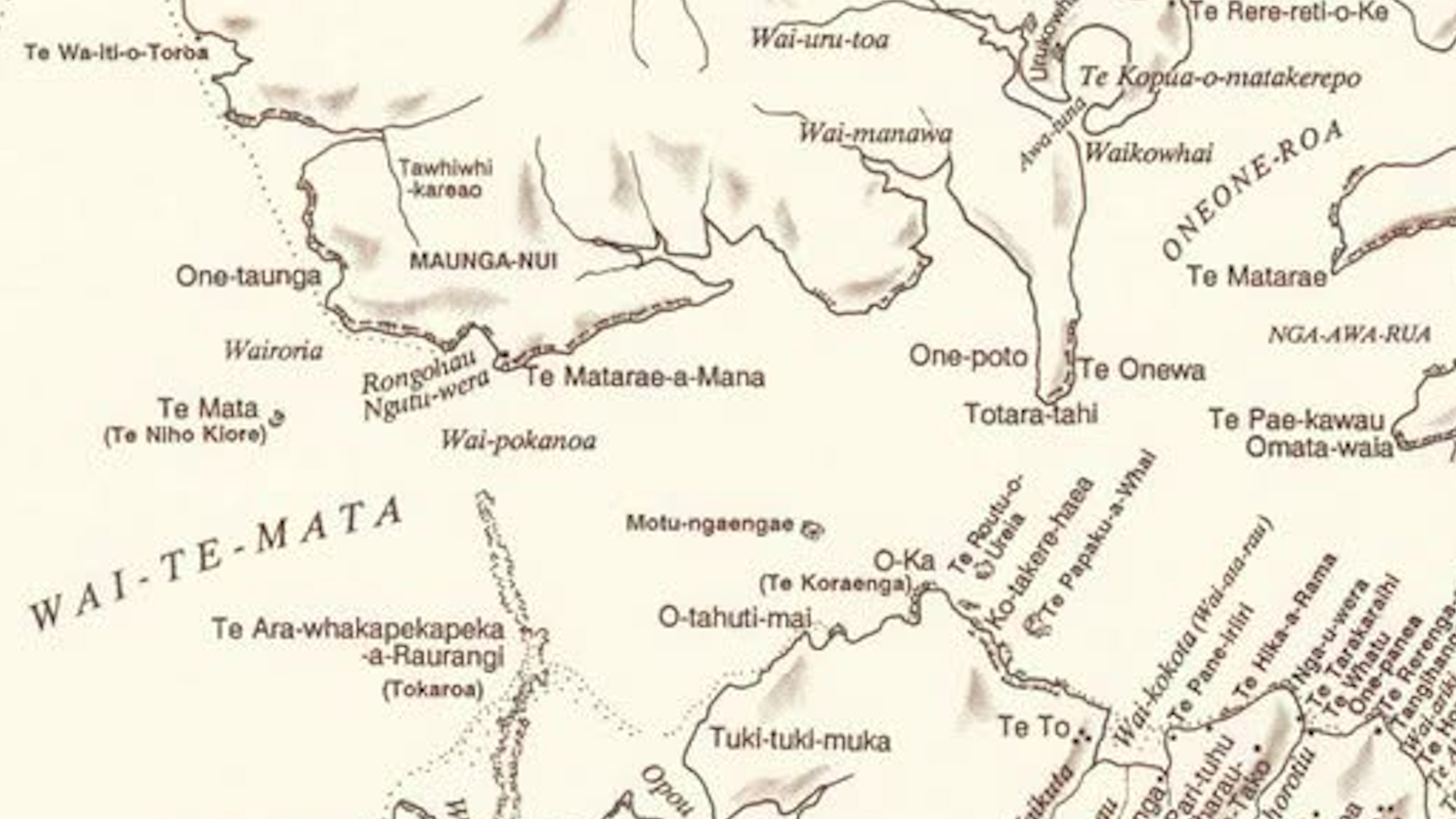
    Part map of the Tāmaki isthmus with Maori placenames (redrawn from TAMAKI-MAKAU-RAU by Mr Leslie Kelly), Department of Geography University of Auckland 1990. / Auckland Libraries Heritage Collections Map 9502

  • CHERPA presents to Council

    CHERPA presents to Council

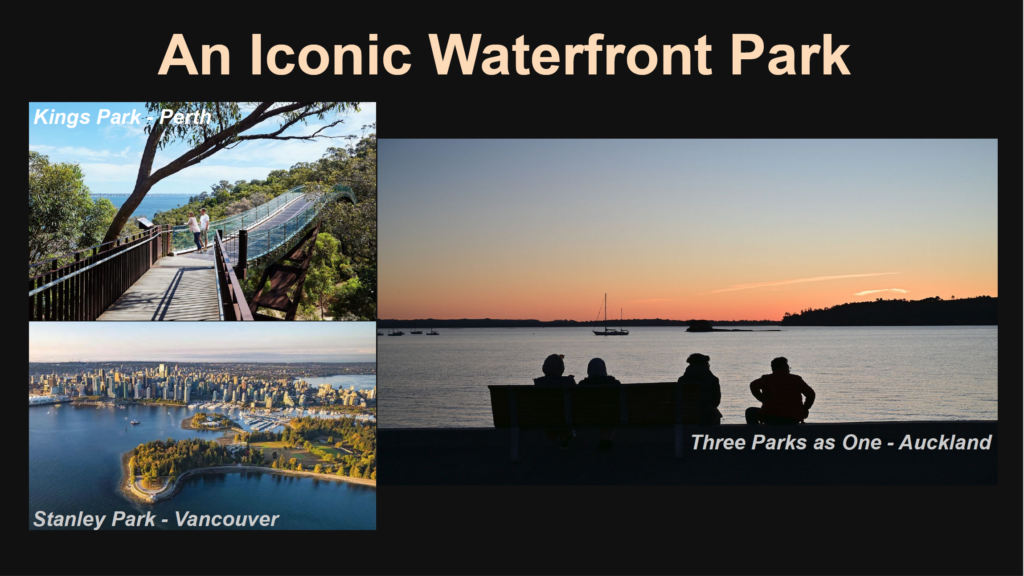
    Here is the presentation CHERPA representatives Harvey White and Pam Templeton put to Auckland Council Community Committee on November 5, 2026: “Three Parks as One”: A New Regional Park for Tāmaki Makaurau & the Waitematā…

  • A Regional Park for ‘the Shore’

    A Regional Park for ‘the Shore’

    Ward Councillor John Gillon has long championed the establishment of a regional park in Kaipātiki. Read his blog here…

    Ward Councillor John Gillon shares his vision.